

Matching Sets vs Dresses: What Wins?
Some outfits ask for styling. Others arrive already finished. That is the real question behind matching sets vs dresses - not which one is better in theory, but which one gives you the strongest look with the least compromise for the moment you are dressing for.
For some women, a dress is the quickest path to elegance. For others, a coordinated set feels sharper, fresher, and more current. Both can look refined. Both can photograph beautifully. The difference is in how they wear, how they move, and how much range you want from a single purchase.
Matching sets vs dresses: the real difference
A dress is a one-piece statement. It creates a clean line, reads instantly polished, and usually requires very little styling to feel complete. When the silhouette is strong, the effect is effortless. You put it on, add shoes and jewelry, and the outfit is done.
A matching set offers that same styled look, but with more structure and more flexibility. Because it is built from two pieces, it can create dimension in a way a dress often does not. A tailored top with a flowing skirt, or a sculpted crop top with wide-leg pants, gives the outfit shape and presence. It feels intentional, fashion-forward, and often a little more directional.
This is why the choice is rarely about trend alone. It is about what kind of polish you want. Dresses tend to feel soft, fluid, and classic. Matching sets often feel modern, composed, and versatile.
When a dress is the better choice
There are moments when a dress simply makes more sense. If you want speed, ease, and a graceful silhouette, it is hard to beat. A dress removes decision fatigue. There is no need to balance proportions between top and bottom or think through whether one piece works as well as the other. That simplicity has value, especially when you are dressing for an event.
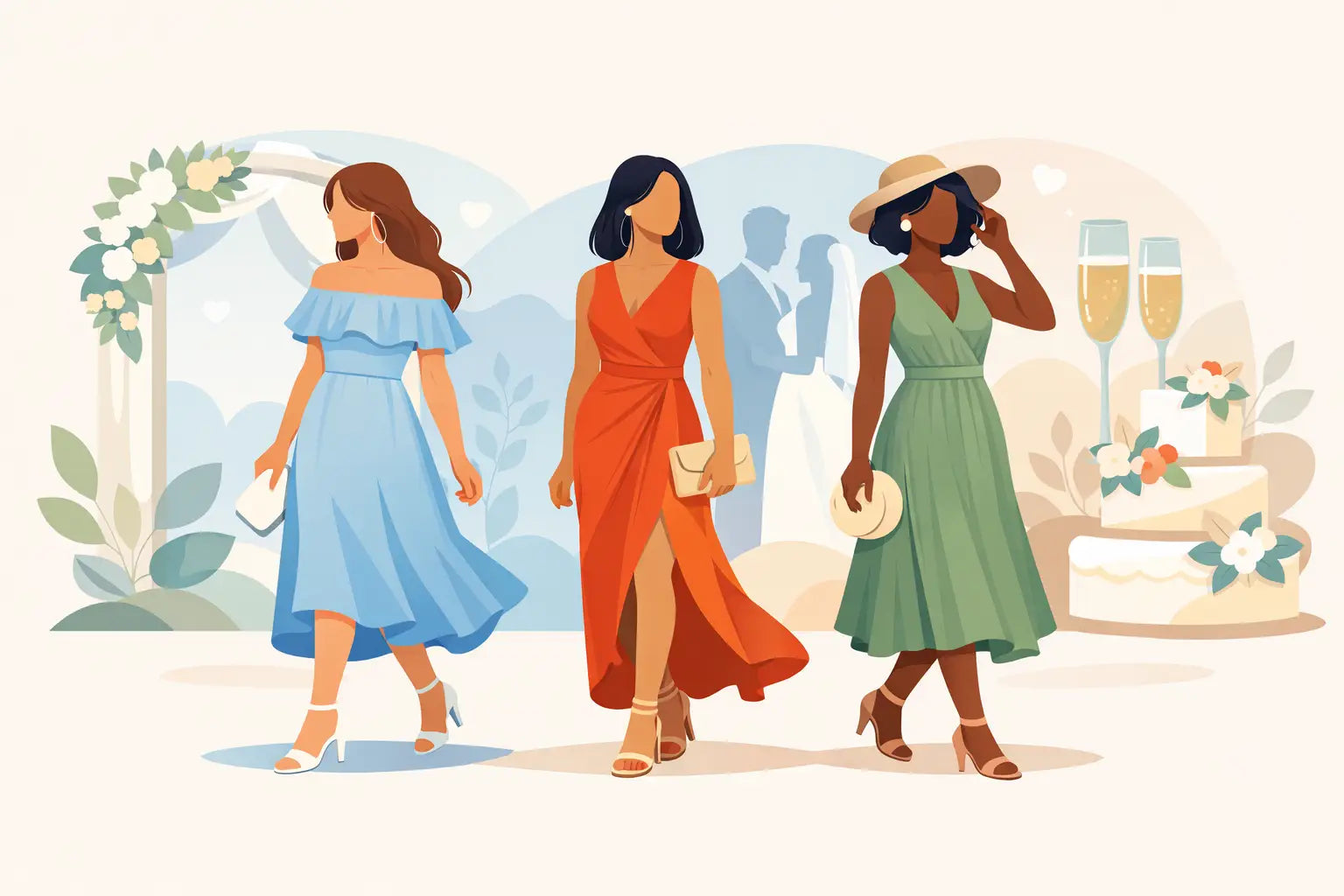
Dresses also excel when you want one uninterrupted visual line. Midi dresses, bodycon silhouettes, and floor-length gowns can elongate the frame in a very direct way. For dinner, weddings, date nights, and more formal occasions, a dress often reads more traditionally elegant.
There is also a confidence factor. Many women know exactly how they like a dress to fit - at the waist, through the hips, across the neckline. Once that formula is clear, shopping becomes easier. If you already trust dresses to flatter your shape, they are the lower-risk choice.
That said, dresses are less flexible after purchase. You can restyle them with outerwear, shoes, and accessories, but the core look stays the same. If you like high outfit repeat value with a different feel each time, that can be a limitation.
Best dress moments
A dress usually leads for cocktail events, wedding guest looks, evening dinners, vacation nights, and any setting where you want a refined entrance with minimal effort. It is also a strong option when you are dressing around one hero detail such as a dramatic neckline, sleek draping, or a bold color.
When matching sets are the smarter buy
Matching sets are strong because they solve two problems at once. They create a complete outfit, and they also create separates you can wear again on their own. That makes them especially appealing for women who want their wardrobe to work harder without looking repetitive.
A polished set can also feel more current than a dress, depending on the cut. Coordinated pieces have a styled, editorial quality that gives even simple silhouettes more presence. A fitted blazer set, a knit top and skirt pairing, or a satin two-piece can look elevated without trying too hard.
Sets are also practical for movement and comfort. If you are traveling, going from daytime plans to dinner, or spending hours in your outfit, a two-piece look can be easier to manage. Different rises, lengths, and fits give you more control. That matters if one-piece dressing tends to fit you perfectly in one area and less perfectly in another.
There is another advantage many shoppers notice after the first wear: styling freedom. The top works with denim or tailored pants. The skirt or pant works with a bodysuit, blouse, or knit. One purchase can become several distinct looks, which is especially valuable when you want accessible luxury that earns its place in your closet.
Best matching set moments
Matching sets often win for travel, brunch, rooftop events, birthday plans, resort styling, daytime parties, and elevated casual wear. They are also ideal if you want a look that feels put-together but not overly formal.
Fit, body shape, and what usually feels better
This is where matching sets vs dresses becomes personal. The right answer depends less on rules and more on where you want control.
If you love defined waists and uninterrupted lines, dresses can feel naturally flattering. Wrap dresses, sculpted midis, and fit-and-flare cuts create shape without requiring much thought. They are especially appealing when you want to smooth the outfit into one statement.
If fit is harder across your proportions, matching sets may be the better move. A fuller bust, longer torso, curvier hips, or height differences can make one-piece dressing inconsistent. Two-piece outfits allow more flexibility because the top and bottom each contribute differently to the final silhouette. You can choose a cropped top to highlight the waist, a high-rise skirt to lengthen the legs, or wide-leg pants to balance the frame.
That does not mean sets are always easier. They ask more from proportion. The wrong hemline or rise can interrupt the line of the body. A dress is often more forgiving because the design is doing the balancing for you. Sets reward intentionality. Dresses reward simplicity.
Cost per wear and wardrobe value
If you shop with versatility in mind, matching sets usually offer stronger value. Even when the upfront price is slightly higher than a single dress, the ability to split the pieces into separate outfits can make the purchase feel smarter over time.
A dress, however, can still be the better investment if the occasion matters more than range. For a birthday dinner, formal event, or high-impact evening look, one stunning dress can do more than several average separates. Value is not just about the number of times you wear something. It is also about how powerfully it shows up when you do.
This is where shopping intention matters. If you need one polished look fast, choose the piece that already feels complete. If you want a wardrobe with more styling potential, a set often gives you more room.
Matching sets vs dresses for different occasions
For daytime social plans, matching sets often feel fresher. They give structure, photograph well, and strike the right note between elevated and relaxed. For evening occasions, dresses tend to lead because they carry more immediate drama and formality.
For vacation, it depends on your itinerary. If you want fewer pieces with more outfit combinations, sets are efficient. If you want one-step dressing after a long day in the sun, dresses are easier. For work-adjacent styling or polished lunches, a coordinated set can look especially sharp. For weddings and events with a dressier expectation, a dress is usually the safer and more elegant choice.
If your calendar mixes casual luxury with social occasions, the strongest wardrobe often includes both. A dress handles the statement moments. A matching set covers the polished in-between.
So which should you shop first?
If your priority is ease, classic femininity, and occasion-ready polish, start with dresses. If your priority is versatility, modern structure, and more styling mileage, start with matching sets.
The smartest choice is not about picking one category forever. It is about shopping for the role the piece needs to play. A dress should make an entrance. A set should extend your wardrobe. When either one delivers on that promise, it is worth buying.
At Teerafashion, that distinction matters. The right piece should not just look elevated on screen. It should give you confidence the moment it is on.
Choose the outfit that makes getting dressed feel easy, but still leaves an impression after you walk into the room.